Why You Should Never Ignore a Flickering Light: The Hidden Dangers of Arcing
It started as a subtle blink in the hallway downlight, barely noticeable while Mark was carrying the groceries into his Penketh home. He paused, stared at the fixture for a moment, and when it remained steady, he shrugged it off as a one-time glitch or perhaps a bulb nearing the end of its life. That casual dismissal is a scenario played out in living rooms across Cheshire every single day, yet it represents a critical misunderstanding of residential electrical safety. What Mark assumed was a minor nuisance was actually the early warning sign of a phenomenon known as electrical arcing—a silent, invisible precursor to some of the most devastating electrical fires.
While we often associate electrical hazards with dramatic sparks or blown fuses, the reality is frequently more insidious. A flickering light is not always just an annoyance; it is often the electrical system’s way of screaming for help. In this comprehensive guide, we will delve deep into the science of arcing, why it happens, the specific risks it poses to Warrington homeowners, and why professional intervention is non-negotiable.
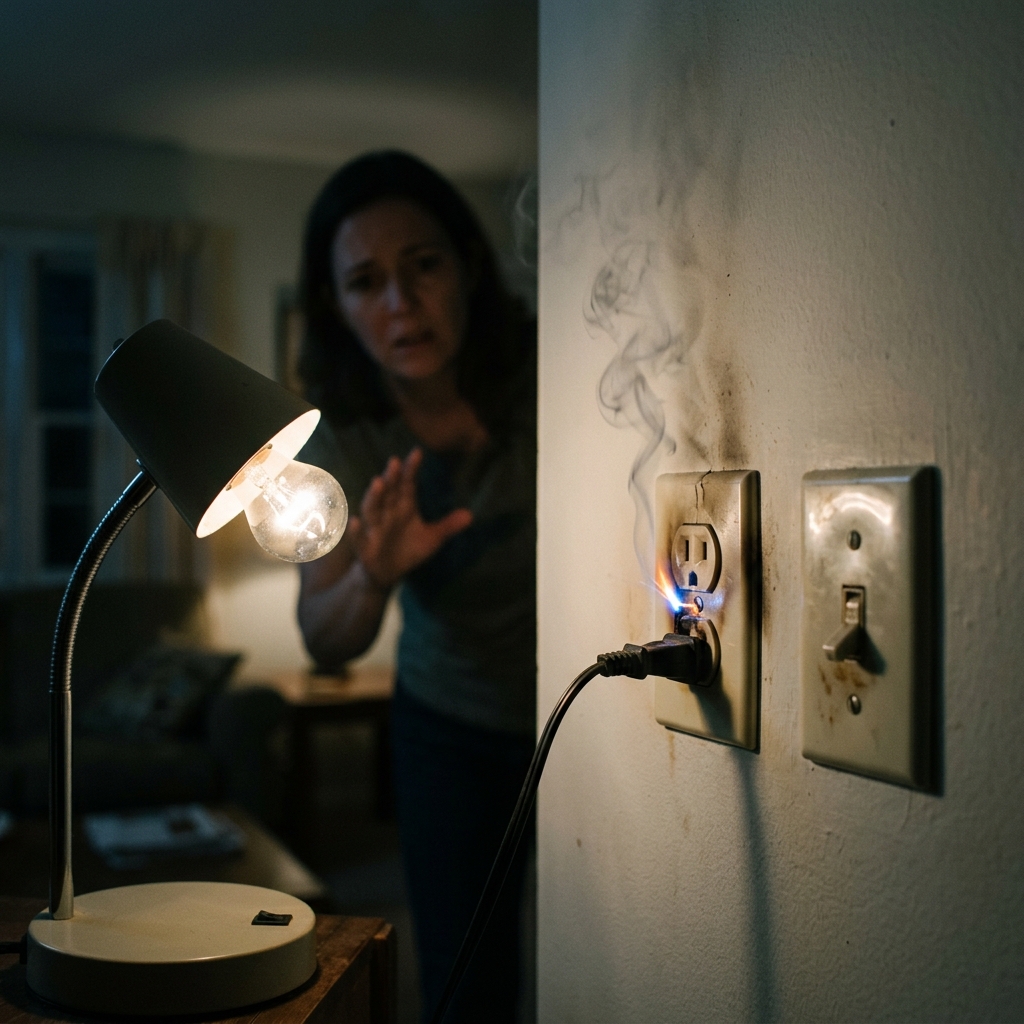
Understanding the Basics: What is Electrical Arcing?
To understand why a flickering light is dangerous, we must first understand the physics of electricity. In a healthy circuit, electricity flows smoothly through conductors (wires) like water through a pipe. The insulation around the wires acts as the pipe walls, keeping the current contained and directing it to your outlets, switches, and appliances.
Arcing occurs when this smooth flow is disrupted. It happens when the electrical current jumps across a gap in the circuit or between two electrodes. Think of it like a miniature lightning bolt occurring inside your walls. Even though air is an insulator (meaning it doesn't conduct electricity well), if the voltage is high enough and the gap is small enough, the electricity can ionize the air molecules, turning them into plasma. This creates a conductive bridge of superheated air, allowing the current to "arc" across the gap.
The Temperature of Terror
The most critical factor to understand about an electrical arc is the heat. This isn't just "warm"; it is intensely hot. The core of an electrical arc can reach temperatures exceeding 10,000 degrees Fahrenheit (over 5,000 degrees Celsius). To put that into perspective, the surface of the sun is roughly the same temperature.
When an arc occurs inside a junction box, behind a socket, or within a ceiling void, it creates a localized hotspot intense enough to melt copper, vaporize plastic insulation, and ignite surrounding combustible materials such as wooden beams, drywall paper, or dust bunnies. This is why arcing is categorized as a major fire hazard rather than a simple functional failure.
Types of Electrical Arcing
Not all arcs are created equal, and understanding the difference can help you identify the symptoms. Generally, electricians categorize arcing faults into two main types:
1. Series Arcing
This occurs when a wire is damaged or a connection is loose, but the circuit is still attempting to draw current to a load (like a lamp or heater). The electricity has to jump across the break in the same wire to complete the path. Since the current is limited by the appliance (the load), the arc might be smaller, but it is insidious because it often doesn't trip a standard circuit breaker. This is the classic cause of the "flickering light" symptom.
2. Parallel Arcing
This is more violent. It happens when the insulation between two different wires (like the Live and Neutral) is breached, and electricity jumps between them. This is effectively a short circuit, but if the contact isn't solid enough to immediately trip the breaker, it creates a massive arc. This type typically occurs when a nail is driven through a wire or a cord is severely frayed.
The Sensory Signs: How to Spot an Arc Fault
While you cannot see inside your walls, an arcing fault usually gives off clues. Homeowners should be vigilant for the following sensory warning signs.
The Visual Cue: Flickering and Dimming
This is the headline symptom. If a light bulb flickers, the first instinct is to tighten the bulb. If that doesn't work, swap the bulb. If the new bulb also flickers, or if multiple lights on the same circuit are flickering simultaneously, you are likely dealing with a loose connection causing series arcing. The flicker is the visual representation of the current rapidly connecting and disconnecting—arcing—across a gap.
The Auditory Cue: Buzzing and Hissing
Electricity in a residential setting should be silent. If you hear a buzzing, crackling, or hissing sound coming from a switch, outlet, or light fixture, it is the sound of the arc physically vibrating the air and materials around it. This sound is often described as "bacon frying." If you hear this, do not ignore it. Turn off the power at the consumer unit immediately and contact our verified electricians to investigate the source.
The Olfactory Cue: The "Fishy" Smell
One of the most distinct signs of dangerous electrical issues is a strange odor. When the heat from an arc begins to melt the heat-resistant plastic (Bakelite) used in sockets and switches, or the PVC insulation on wires, it releases chemicals that smell remarkably like fish or urine. If you walk into a room and smell fish but haven't been cooking, feel the faceplates of your switches and outlets. If they are warm to the touch or smell odd, you have an overheating component likely caused by arcing.
The Physical Cue: Discoloration
Look closely at your outlets. Do they look scorched? Is there a brown or black smudge around the pinholes? This is soot from the carbonization caused by small arcs. This physical damage compromises the connection further, leading to more heat and increased fire risk. Once the electrical safety issue is resolved, you may have aesthetic damage to the wall surrounding the fixture. In this case, you may need to bring in local painters & decorators to repair smoke damage and restore the finish of your room.
Common Causes of Arcing in Warrington Homes
Warrington has a diverse mix of housing stock, from Victorian terraces in Latchford to new builds in Chapelford. The cause of arcing often depends on the age and history of the property.
1. Aging Wiring and Loose Connections
In older properties, the repeated heating and cooling of wires over decades can cause the copper to expand and contract. Over time, this natural movement can loosen the screw terminals inside switches and sockets. A loose screw creates a small gap. As electricity tries to jump that gap, arcing begins. Furthermore, rubber insulation found in pre-1960s homes becomes brittle and cracks, exposing the conductors.
2. Rodent Damage
Mice and rats love to chew on PVC insulation. If you have had a rodent problem in your attic or crawlspace, there is a high probability that they have stripped sections of your wiring bare. This exposed wire is a prime location for parallel arcing to occur.
3. DIY Mishaps and Improper Installation
In the era of YouTube tutorials, many enthusiastic homeowners attempt their own electrical work. However, stripping a wire too much, nicking the copper conductor, or failing to torque a screw terminal correctly can all lead to arcing. Additionally, accidental damage occurs during other renovations. If you have recently had work done, such as hanging shelves or fitting cupboards, a screw may have nicked a cable buried in the wall.
If you are planning significant renovations, such as a loft conversion or a kitchen extension, it is vital to prioritize the electrical infrastructure. Always work with reputable builders & extensions specialists who understand the importance of cable zones and safe construction practices to avoid damaging your home's wiring.
4. Overburdened Circuits
Plugging too many high-draw appliances into a single extension lead or circuit can cause heating at the connection points. While the fuse should blow, resistance heating at the plug prongs can cause localized arcing and melting before the fuse reacts.
The Fire Risk: Why "Wait and See" is Not an Option
It is impossible to overstate the danger. According to fire safety statistics, electrical distribution systems are a leading cause of home structure fires. The mechanism is frighteningly simple:
- Carbonization: As an arc flashes, it burns the surrounding insulation, turning it into carbon.
- The Path of Least Resistance: Carbon conducts electricity. The carbon buildup creates a better path for the arc, allowing it to happen more frequently and sustain itself for longer periods.
- Ignition: The intense heat eventually ignites the carbonized insulation or nearby wooden framing. Since this often happens inside a wall cavity, the fire can spread vertically into the attic before the homeowner even smells smoke.
Prevention and Technology: The AFCI Solution
For decades, standard circuit breakers protected homes from overcurrent (too much electricity flowing) and short circuits. However, they were not designed to detect the erratic, high-frequency signature of an arc fault.
This changed with the invention of the Arc Fault Circuit Interrupter (AFCI), or Arc Fault Detection Device (AFDD) in the UK. These are sophisticated micro-computers located in your consumer unit (fuse box). They monitor the waveform of the electricity 24/7. If they detect the chaotic signature of an arc, they cut the power in a fraction of a second, long before a fire can start.
Since the release of the 18th Edition Wiring Regulations (BS 7671), AFDDs are highly recommended for specific circuits, particularly in rental properties, sleeping accommodation, and buildings with a high risk of fire. Upgrading your consumer unit to include AFDD protection is one of the most effective safety upgrades you can make.
Troubleshooting: What To Do (And What NOT To Do)
If you notice a flickering light, here is a safe troubleshooting workflow for a homeowner.
Step 1: Isolate the Variable
Determine if the flicker is affecting just one lamp or the whole house. If it is the whole house, check with your neighbors. It could be a supply issue from the grid. If it is just one light, proceed to Step 2.
Step 2: The Bulb Check
Turn off the light switch. Wait for the bulb to cool. Ensure it is screwed in tightly. If it is an LED bulb, try replacing it with a high-quality brand. Cheap LED drivers can fail and mimic arcing.
Step 3: Listen and Smell
Turn the light back on. Put your ear near the switch (don't touch it if it looks damaged). Do you hear buzzing? Sniff the air near the switch and the fixture.
Step 4: The Stop Point
If tightening the bulb does not fix it, or if you hear buzzing/smell burning, STOP. Do not attempt to open the switch plate. Do not try to strip wires yourself.
This is the point where liability and safety shift. Electrical fault finding requires specific test equipment, such as insulation resistance testers and loop impedance testers, which the average homeowner does not possess. You need to contact verified electricians immediately. They have the training to trace the fault, whether it is buried in a wall or located at a junction box.
The Professional Repair Process
When you hire a professional from the Warrington Tradesmen Directory to address a flickering light, here is what you can expect:
- Visual Inspection: They will look for signs of thermal damage at switches, pendants, and the consumer unit.
- Circuit Testing: They will use meters to measure the resistance of the cables. A drop in insulation resistance often points to where the arc is occurring.
- Re-termination: Often, the fix is as simple (for a pro) as cutting back the damaged, oxidized wire and re-terminating it into a new, clean connection.
- Rewiring: In severe cases, if the insulation across the property is degrading, they may recommend a partial or full rewire. While this is a disruptive job, it presents an opportunity. If you are opening up walls for a rewire, it is the perfect time to consult with builders & extensions experts to see if you want to add extra sockets, data points, or change the layout of the room simultaneously.
Maintenance: The Key to Longevity
Electrical systems are not "fit and forget." In the UK, it is recommended that homeowners have an Electrical Installation Condition Report (EICR) carried out at least every 10 years (or every 5 years for landlords). This "MOT for your house" detects hidden arcing issues before they become fires.
Furthermore, keep an eye on the condition of your external walls and roof. Dampness entering the home can accelerate the corrosion of electrical connections. If you spot damp patches, you may need to coordinate between a roofer, an electrician, and eventually look for local painters & decorators to restore the interior once the damp and electrical faults are resolved.
Conclusion
A flickering light is a language. It is your home communicating that something is amiss in its nervous system. In Warrington, where we cherish our homes and the safety of our families, ignoring this signal is a gamble with high stakes.
Electrical arcing is a hidden danger that generates immense heat and poses a severe fire risk. It is caused by everything from loose screws to gnawing mice, but the result is always the same: a potential disaster waiting to happen. By understanding the signs—the buzz, the smell, the flicker—you empower yourself to act.
Don't wait for the flicker to turn into a flame. If you suspect arcing in your home, browse our directory today to find trusted, local professionals who can ensure your home remains a safe sanctuary. Whether you need a simple safety check or a complex repair, the peace of mind is worth every penny.
Enjoyed this article?
Need a Verified Tradesperson in Warrington?
Browse verified local professionals across Warrington & Cheshire. Compare reviews, check qualifications, and get free quotes.