Regrouting Your Bathroom: When to Call a Tiler in Warrington for a Refresh
Over time, even the most meticulously tiled bathrooms can start to show their age, with the grout being the first culprit. That bright, clean line work that once defined your tiles can become stained, cracked, or even crumble away, detracting from the overall appeal and cleanliness of your space. If you've noticed discolouration, mould, or general wear between your bathroom tiles, it might be time to consider regrouting your bathroom in Warrington. This seemingly minor refresh can make a dramatic difference, not only in aesthetics but also in protecting your home from potential water damage. But when is it truly necessary to call in the experts, and what exactly does the process entail? Let's delve into everything you need to know about giving your bathroom a new lease of life with professional regrouting.
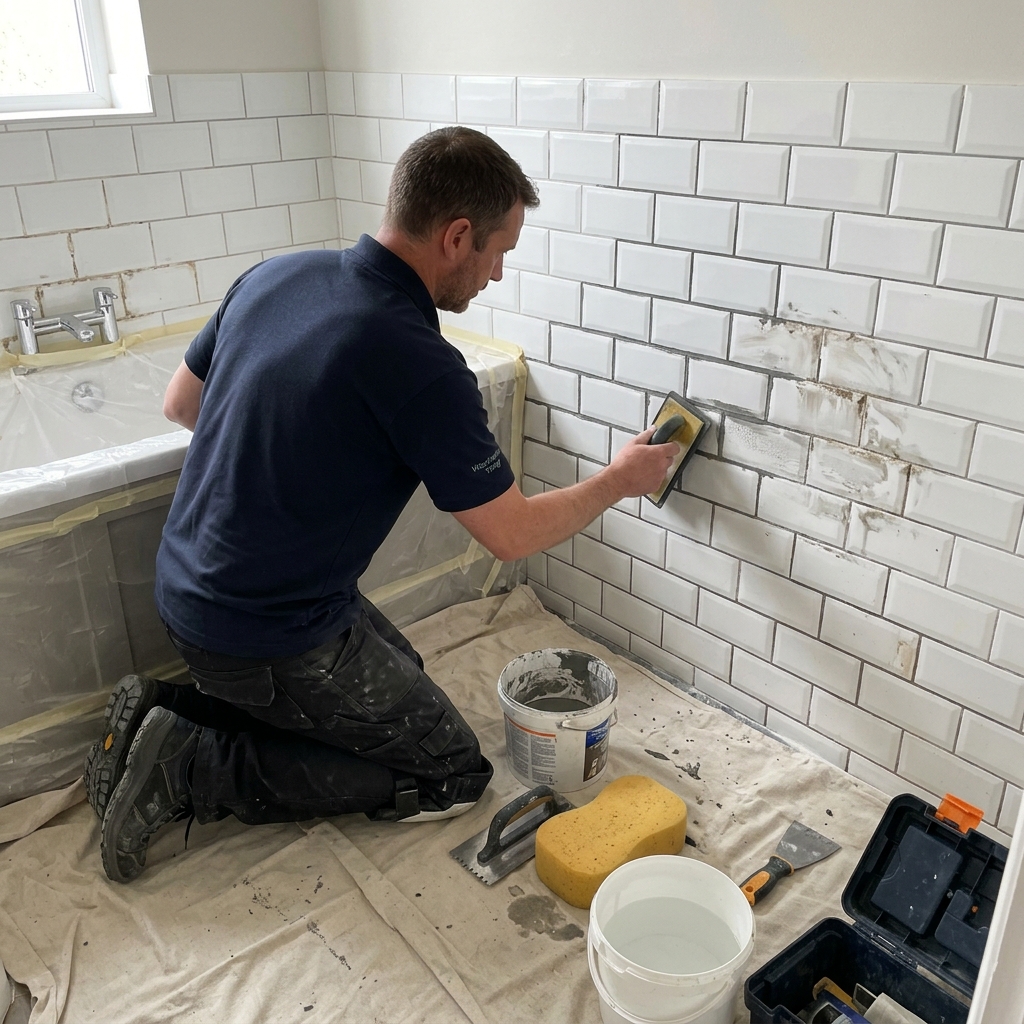
The Telltale Signs Your Bathroom Grout Needs a Refresh
Your bathroom grout isn't just there for looks; it plays a crucial role in protecting your walls and floors from moisture ingress. Ignoring deteriorating grout can lead to bigger, more expensive problems down the line. Here are the key indicators that your bathroom is crying out for a regrout:
Discolouration, Stains, and Mould
Perhaps the most common and noticeable sign. Grout, being porous, can easily absorb moisture, soap scum, and grime, leading to unsightly discolouration. Black, pink, or orange spots are often indicative of mould and mildew growth, which thrives in damp bathroom environments. While regular cleaning can help, persistent staining and mould that won't budge with scrubbing often mean the grout has become too compromised and needs to be replaced to truly restore hygiene and appearance.
Cracked, Crumbling, or Missing Grout
This is a more serious issue than mere discolouration. Grout provides stability to your tiles and acts as a waterproof barrier. If you observe any cracks, crumbling sections, or areas where the grout has completely fallen out, your bathroom is vulnerable to water penetration. This can lead to:
- Damp and structural damage: Water seeping behind tiles can damage plasterboard, timber studs, and even cause rot.
- Loose or popped tiles: Without the support of intact grout, tiles can become unstable and eventually detach.
- Pest infestation: Damp, dark areas behind tiles can become breeding grounds for insects.
Any signs of structural compromise in your grout should prompt immediate action. A skilled tiler will address this during the grout repair Warrington process.
Persistent Damp Smells or Water Leaks
If you're noticing a lingering damp smell in your bathroom, especially after showers, even if there are no visible puddles, compromised grout could be the culprit. Water might be silently seeping behind your tiles, causing hidden damp issues. Similarly, if you see water escaping the shower area despite a properly functioning screen, weak or missing grout lines are a prime suspect. Addressing this quickly can prevent the need for more extensive plumbing repairs down the line.
DIY vs. Professional Regrouting: What's Best for Your Warrington Home?
The thought of saving money often leads homeowners to consider DIY solutions for home repairs. While regrouting might seem like a straightforward task, there are significant differences between a DIY attempt and hiring a professional, especially for detailed tasks like regrouting a bathroom in Warrington.
The DIY Approach: Pros and Cons
- Pros: Potentially lower immediate cost (materials only), a sense of accomplishment.
- Cons:
- Time-consuming: Removing old grout is a tedious, dusty, and physically demanding job.
- Requires specific tools: Grout removers, special scrapers, mixers, floats, and sponges all add up.
- Skill and technique: Applying new grout smoothly, evenly, and without air bubbles requires practice. Poor application can lead to uneven lines, weak spots, or even damage to tiles.
- Risk of damage: Incorrectly removing old grout can chip or scratch tiles.
- Durability: A DIY job might not last as long as a professional one, leading to early recurrence of issues.
- Mess: It's a surprisingly messy job, with dust and grout residue everywhere.
For a small, non-critical area, DIY might be an option. However, for a full bathroom refresh or if dealing with extensive damage, the drawbacks quickly outweigh the perceived savings.
Why Choose a Professional Tiler for Regrouting in Warrington?
When you hire a professional tiler for regrouting Cheshire, you're investing in expertise, efficiency, and a superior finish. Here's why it's often the best choice for your Warrington home:
- Experience and Skill: Professional tilers have the experience to assess the condition of your existing grout accurately, remove it safely without damaging tiles, and apply new grout flawlessly. They understand different grout types and how to achieve a uniform, durable finish.
- Specialised Tools: They come equipped with industrial-grade tools for efficient grout removal and application, ensuring a faster, cleaner, and more precise job.
- Quality Materials: A professional will use high-quality, mould-resistant, and flexible grouts designed for longevity in wet environments, offering better protection and a longer-lasting refresh.
- Efficiency: What might take a DIY enthusiast days of frustrating work, a professional can complete in a fraction of the time, often within a single day for a standard bathroom.
- Attention to Detail: From meticulous cleaning before regrouting to precise application and sealing, professionals ensure every detail is covered, leaving you with a factory-fresh appearance.
- Peace of Mind: Knowing the job is done correctly by a certified expert provides reassurance against future damp issues and structural problems.
What Does Professional Regrouting Involve? The Tiler's Process
When you enlist a professional tiler for regrouting your bathroom, they follow a systematic approach to ensure a durable and aesthetically pleasing result. This meticulous process ensures that the new grout adheres properly and provides maximum protection against moisture.
1. Initial Assessment and Preparation
A good tiler will begin by thoroughly inspecting your bathroom tiles and existing grout. They'll identify areas of significant damage, check for loose tiles, and discuss any specific concerns you might have. Preparation is key: the area will be cleared, and surfaces will be protected.
2. Grout Removal
This is arguably the most critical and labour-intensive step. The old, deteriorated grout must be completely and carefully removed from between the tiles. Professionals use specialised oscillating tools or manual grout saws designed to remove grout cleanly without scratching or chipping the adjacent tiles. Dust extraction is often employed to minimise mess.
3. Thorough Cleaning
Once the old grout is gone, the channels between the tiles are meticulously cleaned. Any remaining grout dust, debris, mould, or residue is removed. The area must be completely dry before new grout can be applied. This ensures optimal adhesion and prevents future mould growth underneath the new grout.
4. Grout Application
Using a rubber float, the tiler will then apply the new grout, pressing it firmly into the joints to ensure full coverage and no air pockets. Excess grout is carefully scraped away, and the lines are 'struck' to create a uniform, smooth, and concave finish. The type of grout used will depend on the area (e.g., epoxy grout for high-moisture areas like showers, or flexible cementitious grout for floors and walls). For a bathroom refresh, a skilled tiler for regrouting Cheshire homes will select the best material for durability and aesthetics.
5. Curing and Cleaning
After initial application, the grout needs time to set or 'cure' slightly. Once partially set, the tiler will use damp sponges to wipe away any haze or residue from the tile surface, revealing the clean, fresh lines. This process often requires multiple passes to ensure a spotless finish. The bathroom will then need to be left undisturbed for a period (typically 24-48 hours) to allow the grout to fully cure before it's exposed to water.
6. Sealing (Optional but Recommended)
For cement-based grouts, a final step often involves applying a grout sealer. This protective layer penetrates the grout, making it less porous and more resistant to stains, mould, and moisture. Epoxy grouts are naturally non-porous and typically do not require sealing.
How Much Does Bathroom Regrouting Cost in Warrington?
Understanding the potential costs involved is crucial for any home improvement project. The price of professional bathroom regrouting in Warrington can vary significantly based on several factors. While it's impossible to give an exact figure without a detailed assessment, we can outline typical considerations.
Factors Influencing Cost:
- Bathroom Size: Naturally, a larger bathroom with more tiled surface area will cost more to regrout than a smaller en-suite or WC.
- Amount of Grout to Be Removed: If only a small section needs attention versus an entire bathroom, the labour costs will differ.
- Current Grout Condition: Heavily deteriorated or stubborn grout can take longer and require more effort to remove, increasing labour time.
- Type of Tiles: Smaller, intricate mosaic tiles have significantly more grout lines than large format tiles, making the job more time-consuming and thus more expensive.
- Type of New Grout: Standard cementitious grouts are generally less expensive than specialised epoxy grouts, which offer superior water resistance and durability but are harder to work with and cost more.
- Accessibility: Areas that are difficult to reach, such as behind toilets or in tight shower cubicles, may increase labour time.
- Any Related Repairs: If loose tiles need re-fixing or underlying issues like damp need addressing, this will add to the overall cost.
Typical Cost Estimates (UK/Warrington)
For a standard family bathroom in an area like Lymm or Great Sankey, you might expect costs for professional regrouting to fall within the range of £250 - £700+. This is a broad estimate, as some tilers might charge per square metre (e.g., £20-£40 per sq.m for labour and materials) while others might quote a flat rate for the job. Smaller areas, like a shower cubicle, could be less (e.g., £150-£300), while a very large or complex bathroom, perhaps in Appleton or Stockton Heath, could exceed £700. These figures generally include labour and materials.
Always get multiple quotes: The best way to get an accurate price for regrouting bathroom Warrington is to contact local tilers directly. Most will offer a free, no-obligation survey and quotation. Be clear about the scope of work you require.
Ready to get some estimates? Find a trusted tiler in Warrington through our directory.
Beyond Regrouting: When to Consider a Full Tiling Overhaul
While regrouting offers a fantastic refresh, there are instances where it might be a temporary fix or simply not enough. Knowing when to consider a more extensive tiling overhaul can save you from repeated repairs and ensure the long-term integrity of your bathroom.
When Regrouting Isn't Enough:
- Widespread Tile Damage: If many of your tiles are cracked, chipped, or severely damaged, merely replacing the grout won't address the core aesthetic or functional issues.
- Outdated Style: Your tiles might be perfectly intact, but if their colour, size, or pattern dates your bathroom significantly, regrouting will only highlight the old-fashioned design.
- Underlying Substrate Issues: If tiles are consistently coming loose, if there's significant give in the floor, or if you suspect extensive damp behind the walls, this indicates a problem with the underlying substrate (the surface to which the tiles are fixed). Regrouting won't fix structural issues; these require removing tiles, repairing the substrate, and then re-tiling.
- Extensive Mould Beyond the Grout: If mould has penetrated beyond the grout lines and is growing on the tile surface or seems to be emerging from behind the tiles, it suggests a deeper problem that a simple regrout cannot resolve.
- Desire for a Complete Transformation: Sometimes, homeowners simply want a completely new look. If you're planning a major bathroom renovation, then a full re-tile will be part of that larger project.
A full tiling overhaul involves removing all existing tiles and grout, preparing the substrate (which might include waterproofing in shower areas or installing new backer board), and then installing brand new tiles and grout. While a larger investment upfront, it offers a complete aesthetic transformation and ensures the long-term structural integrity and waterproofing of your bathroom. If you're considering a more extensive bathroom renovation, you might also be looking for a reputable builder in Warrington to coordinate the entire project.
Choosing the Right Tiler for Your Regrouting Project in Warrington
Selecting the right professional is paramount to ensuring a successful and long-lasting regrouting job. For homeowners in Warrington, Lymm, Stockton Heath, or Widnes, knowing how to vet a local tiler is essential.
Key Considerations When Hiring:
- Local Experience: Prioritise tilers who have a strong presence and positive reputation in the Warrington area. Local tradespeople are more likely to be familiar with regional building styles and readily available for follow-up if needed.
- Portfolio and References: Ask to see examples of their previous regrouting work. High-quality tilers will be proud to show off their finished projects. Don't hesitate to ask for references from past clients.
- Insurance and Qualifications: Ensure the tiler carries public liability insurance. While there isn't a specific 'grouting' qualification, look for tilers who are qualified in general wall and floor tiling, demonstrating a professional standard.
- Detailed Quotations: Obtain at least three written quotes. These should be detailed, outlining the scope of work, materials to be used, estimated timescale, and total cost. Be wary of significantly low quotes, as they might indicate corner-cutting.
- Transparency and Communication: Choose a tiler who communicates clearly and is happy to answer your questions. A professional will explain the process, material choices, and any potential challenges upfront.
- Reviews and Testimonials: Check online reviews on platforms like Warrington Tradesmen. Authentic feedback from other local homeowners can provide invaluable insight into a tiler's reliability, professionalism, and quality of work.
- Guarantees: Ask if they offer any guarantee on their workmanship. This demonstrates confidence in their skills and offers you peace of mind.
FAQs About Bathroom Regrouting & Grout Repair
Homeowners often have similar questions when considering a grout refresh. Here are answers to some of the most common queries regarding grout repair Warrington and beyond:
Q1: How long does professional bathroom regrouting typically last?
A1: When performed professionally using high-quality materials and sealed correctly, regrouting can last anywhere from 5 to 15 years, or even longer. Factors like bathroom usage, ventilation, and cleaning habits will influence its longevity. Regular cleaning and good ventilation are key to extending its life.
Q2: Can I just regrout over my existing grout?
A2: Generally, no. This is not recommended and is unlikely to provide a long-lasting or effective solution. New grout needs a clean, porous surface to bond to. Applying new grout over old will result in poor adhesion, uneven lines, and premature cracking or flaking. The old grout must be removed to ensure a durable finish.
Q3: What kind of grout is best for a bathroom in Warrington?
A3: For most bathroom applications, a high-quality, flexible, cementitious grout with added polymers is suitable. These offer good water resistance and are available in various colours. For areas subject to heavy water exposure, like shower trays or wet rooms, epoxy grout is often recommended. Epoxy is non-porous, highly resistant to stains, chemicals, and mould, making it extremely durable but also more challenging and costly to apply. Your professional tiler will advise on the best option for your specific bathroom.
Q4: Is regrouting a very messy job?
A4: Yes, removing old grout can be quite dusty and messy. Professional tilers typically use dust sheets and often dust extraction tools to minimise the spread of debris. Applying new grout also involves some mess, but skilled tradesmen are adept at keeping the work area tidy and performing thorough clean-up afterwards. You can further reduce lingering mess by hiring a professional cleaner for a post-renovation sparkle.
Conclusion: Revitalise Your Bathroom with a Professional Regrout
Your bathroom should be a sanctuary, and tired, grimy grout can quickly diminish its appeal and hygiene. Recognizing the signs your grout is failing and understanding when to call in a professional tiler are crucial steps toward maintaining a beautiful and healthy home. Whether you're in Stockton Heath, Appleton, or any other part of Warrington, a professional regrouting service offers an incredibly effective and cost-efficient way to refresh your bathroom without the expense and disruption of a full re-tile. It revitalizes the appearance, enhances hygiene, and, most importantly, protects your home from moisture damage.
Don't let unsightly or damaged grout detract from your home's value or compromise its structural integrity. If you're ready to give your bathroom the refresh it deserves and ensure a durable, flawless finish, connect with a trusted local tiler in Warrington through Warrington Tradesmen today. Get reliable quotes and expert service to transform your bathroom back to its pristine best!
Enjoyed this article?
Need a Verified Tradesperson in Warrington?
Browse verified local professionals across Warrington & Cheshire. Compare reviews, check qualifications, and get free quotes.