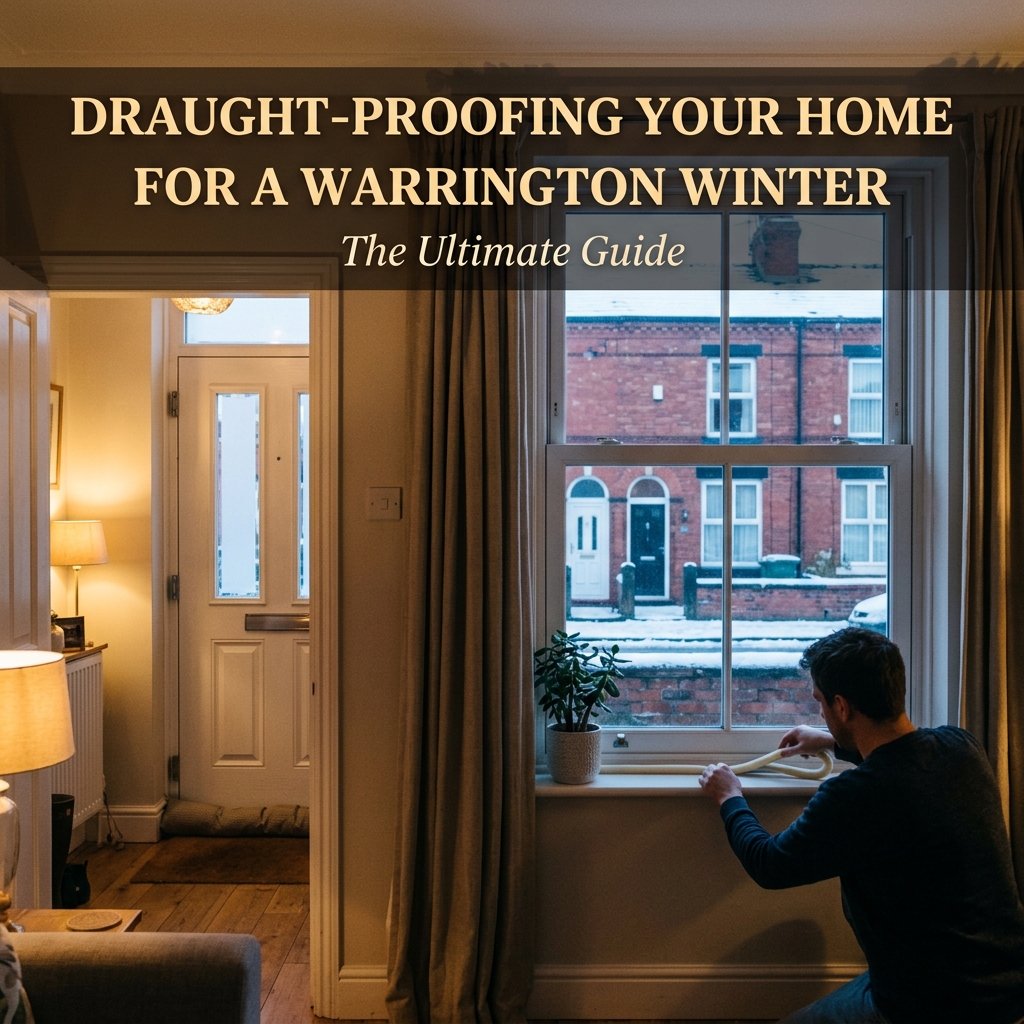
Draught-Proofing Your Home for a Warrington Winter: The Ultimate Guide
As the nights draw in and a familiar chill settles over Warrington, the annual ritual of turning up the thermostat begins. But what if a significant portion of that expensive heat is silently escaping through gaps and cracks in your home? Before you resign yourself to another winter of high energy bills and chilly rooms, it’s time to talk about one of the most cost-effective ways to improve your home’s comfort: draught-proofing. This comprehensive guide will walk you through everything you need to know about effective draught proofing in Warrington, from pinpointing the culprits to implementing lasting fixes that keep your home cosy and your wallet happy.
Why Draught-Proofing is a Non-Negotiable for Your Cheshire Home
Draught-proofing isn't just about stopping an annoying cold breeze; it's a fundamental part of creating an energy-efficient and comfortable living space. For homeowners across Cheshire, from the classic Victorian terraces in Stockton Heath to the newer builds in Great Sankey, the benefits are substantial.
- Significantly Reduce Energy Bills: This is the headline benefit. According to the Energy Saving Trust, comprehensive draught-proofing for your whole house could save you around £125 per year on your energy bills. That's a fantastic return on what is often a very small initial investment in materials.
- Boost Your Comfort Levels: A draught-free home feels warmer and more pleasant, even at lower thermostat settings. Eliminating cold spots means you can enjoy every corner of your home without needing to wrap up in an extra jumper.
- Prevent Condensation and Damp: While controlled ventilation is crucial, uncontrolled draughts can cause warm, moist air to condense on cold surfaces, particularly around windows. This can lead to damp patches and mould growth. Proper sealing helps manage airflow and maintain a more consistent internal temperature.
- Improve Sound Insulation: The same gaps that let air in also let noise in. Sealing them can help to reduce traffic noise and other external sounds, creating a more peaceful home environment.
Whether your home is a hundred years old or ten, undertaking a thorough draught-proofing audit is one of the smartest pre-winter jobs you can do.
The Draught Detective: Pinpointing Problem Areas in Your Warrington Property
Before you can fix the problem, you need to find it. Some draughts are obvious, but others are surprisingly sneaky. Grab a notepad and spend some time on a windy day becoming a ‘draught detective’. Here’s how to systematically identify the leaky spots in your home.
Common Draught Culprits and How to Find Them
Start with the most common offenders. For a simple and effective test, carefully use a lit incense stick or candle on a windy day. Move it slowly around the edges of windows, doors, and other potential gaps. If the smoke or flame flickers or is blown horizontally, you’ve found a draught.
- Windows: The number one source of draughts. Check the seals around the opening parts of the window and where the frame meets the wall. Pay close attention to leaky windows, as they are a major source of heat loss.
- External Doors: Check the gap at the bottom of the door, around the letterbox, the keyhole, and the entire door frame. Don't forget patio or French doors.
- Loft Hatches: A poorly sealed loft hatch is like leaving a window open, allowing huge amounts of warm air to escape into the roof space.
- Floorboards and Skirting Boards: Especially in older homes, gaps between floorboards and under skirting boards can create significant underfloor draughts.
- Unused Chimneys: An open chimney is essentially a giant hole in your roof. If you don't use your fireplace, it’s a major source of heat loss.
- Pipework Gaps: Look for any gaps where plumbing or electrical pipes pass through external walls, for example, under your kitchen sink.
Once you've identified the problem areas, you can move on to a targeted plan of attack.
A Practical Guide to Draught-Proofing Windows and Doors
With your list of culprits in hand, it’s time for the solutions. Many of these are simple DIY jobs that can be completed in a weekend. Here we focus on the biggest wins: your windows and doors.
Tackling Leaky Windows: Your First Line of Defence
Fixing a leaky windows fix is often the most impactful part of any winter proofing home Cheshire project. Here are your options, from simple fixes to more robust solutions.
- Self-Adhesive Foam Strips: This is the easiest and cheapest method. These strips are compressed when the window is closed, sealing the gap. They come in various thicknesses and are ideal for modern uPVC or wooden casement windows. Simply clean the frame, cut the strip to size, and stick it on.
- Brush Strips: If you have traditional sliding sash windows, common in older Warrington properties, brush strips are a better option as they don't interfere with the sliding mechanism.
- Sealant and Caulk: For non-moving parts, such as the gap between the window frame and the surrounding wall, a flexible decorator's caulk or silicone sealant is perfect. It provides a permanent, airtight seal.
- Secondary Glazing Film: This is a clever, low-cost alternative to double glazing. A special film is fitted to the inside of the window frame and heated with a hairdryer to shrink it taut, creating an insulating air gap. It’s surprisingly effective at reducing heat loss.
It's important to note that if your double-glazing has failed (you can see misting or condensation between the panes) or the wooden frames are soft and rotting, these DIY fixes are only a temporary plaster. In these cases, it's time to call in the experts. You can find a vetted window specialist in Warrington to assess the damage and provide a lasting solution.
Sealing Up Your Doors
Your front and back doors are the next priority. A combination of products will give you the best results.
- Draught Excluders: The classic 'sausage dog' is still effective, but for a more permanent solution, fit a brush or hinged-flap excluder to the bottom of the door.
- Letterbox Brushes: An internal letterbox brush or flap makes a huge difference in stopping wind from whistling through.
- Keyhole Covers: A simple pivoting cover for your keyhole can stop a surprisingly persistent draught.
- Frame Seals: Just like with windows, use self-adhesive foam strips around the door frame where the door closes against it.
If your door is warped or doesn't sit flush in its frame, sealing it effectively can be difficult. If your wooden door frame is warped or damaged, a skilled local carpenter in Warrington can provide a perfect fit, planing the door or adjusting the frame for a snug, draught-free closure.
Beyond Windows and Doors: Other Common Draught Hotspots
To do a thorough job, you need to look beyond the obvious. Tackling these often-overlooked areas in your Appleton or Lymm home can make a real difference.
- Loft Hatches: Use self-adhesive foam strips around the perimeter of the hatch to create a seal when it's closed. You can also insulate the top of the hatch itself by attaching a solid piece of insulation board.
- Floorboards and Skirting Boards: For older properties with suspended timber floors, the gaps can be a major source of cold air. Use a flexible, coloured sealant that matches your wood, or specialised products like 'StopGap' which are designed to be squashed between boards.
- Chimneys: For unused fireplaces, a chimney balloon or chimney sheep is an excellent, removable solution that blocks the flue, stopping heat from escaping up and cold air from coming down.
For a collection of these smaller but fiddly jobs, a reliable Warrington handyman can be an invaluable resource, tackling them all in one visit and ensuring they're done to a professional standard.
The Cost of Draught-Proofing in Warrington: DIY vs. Professional
One of the best things about draught-proofing is its affordability.
DIY Costs: A full DIY draught-proofing project for a typical 3-bedroom semi-detached house in Warrington can cost as little as £80 - £150 for all the necessary materials. This includes foam strips, sealant, a letterbox brush, and a chimney balloon. The investment can pay for itself in just one winter.
Professional Costs: While many tasks are DIY-friendly, hiring a professional ensures the job is done with the right materials and to the highest standard, maximising your energy savings. For a professional to supply and fit draught-proofing to all the windows and doors in a typical house, you might expect to pay between £200 and £400. This provides peace of mind and a guaranteed, effective result.
Frequently Asked Questions (FAQs) about Winter Proofing Your Home
Here are answers to some common questions we hear from Warrington homeowners.
How much can I really save by draught-proofing my house?
The exact amount depends on your home's age, size, and existing insulation. However, the Energy Saving Trust estimates a typical UK home can reduce energy bills by around £125 a year through comprehensive draught-proofing of windows, doors, and blocking an unused chimney. The savings come from your heating system not having to work as hard to maintain your desired temperature.
Is draught-proofing suitable for older, period properties in Cheshire?
Absolutely! In fact, older properties often benefit the most from draught-proofing as they were built with less focus on airtightness. It's important to use the right materials, like brush strips for sash windows, to preserve the character and function of original features. However, it's also vital to maintain some ventilation in older homes to manage moisture, so focus on blocking uncontrolled draughts, not sealing the house completely.
My windows are draught-proofed but still have condensation. What's the problem?
If you've sealed all the gaps but still suffer from heavy condensation between the panes of your double-glazed windows, it's a sign that the sealed unit has failed. The inert gas between the panes has escaped and been replaced by moist air. This is a common issue and unfortunately, it means the window is no longer providing effective insulation. This requires a professional leaky windows fix, which usually involves replacing the glass unit rather than the whole frame.
Can I over-seal my house and cause ventilation problems?
This is a valid concern. Homes need some ventilation to allow moisture to escape and maintain good air quality. However, draught-proofing is about eliminating uncontrolled ventilation (draughts), not sealing your home in a plastic bag. You should never block intentional ventilation points like extractor fans, trickle vents in modern windows, or air bricks. If you have open-flued appliances (like an older boiler or a gas fire), be sure not to block any air vents designed for them, as this can be dangerous.
Preparing your home for a Warrington winter doesn't have to be expensive or complicated. By systematically finding and fixing draughts, you can create a warmer, more comfortable home, lower your carbon footprint, and make a noticeable dent in your energy bills. Whether you choose to DIY or call in a trusted local professional, it’s an investment that pays dividends year after year.
Enjoyed this article?
Need a Verified Tradesperson in Warrington?
Browse verified local professionals across Warrington & Cheshire. Compare reviews, check qualifications, and get free quotes.