Cracked Plaster? When to Call a Warrington Plastering Pro
It’s a familiar story for many homeowners. You’re redecorating a room, admiring your handiwork, and then you spot it: a thin, spidery line making its way across the wall. Your heart sinks a little. Is this a five-minute fix or the first sign of a major problem? Cracked plaster is one of the most common issues we see in homes across Warrington, from classic Victorian terraces to modern new builds. While some cracks are little more than cosmetic blemishes, others can be your home's way of telling you something more serious is going on. This guide will help you decode those cracks, understand their causes, and know exactly when it’s time to put down the polyfilla and call in a professional Warrington plasterer.
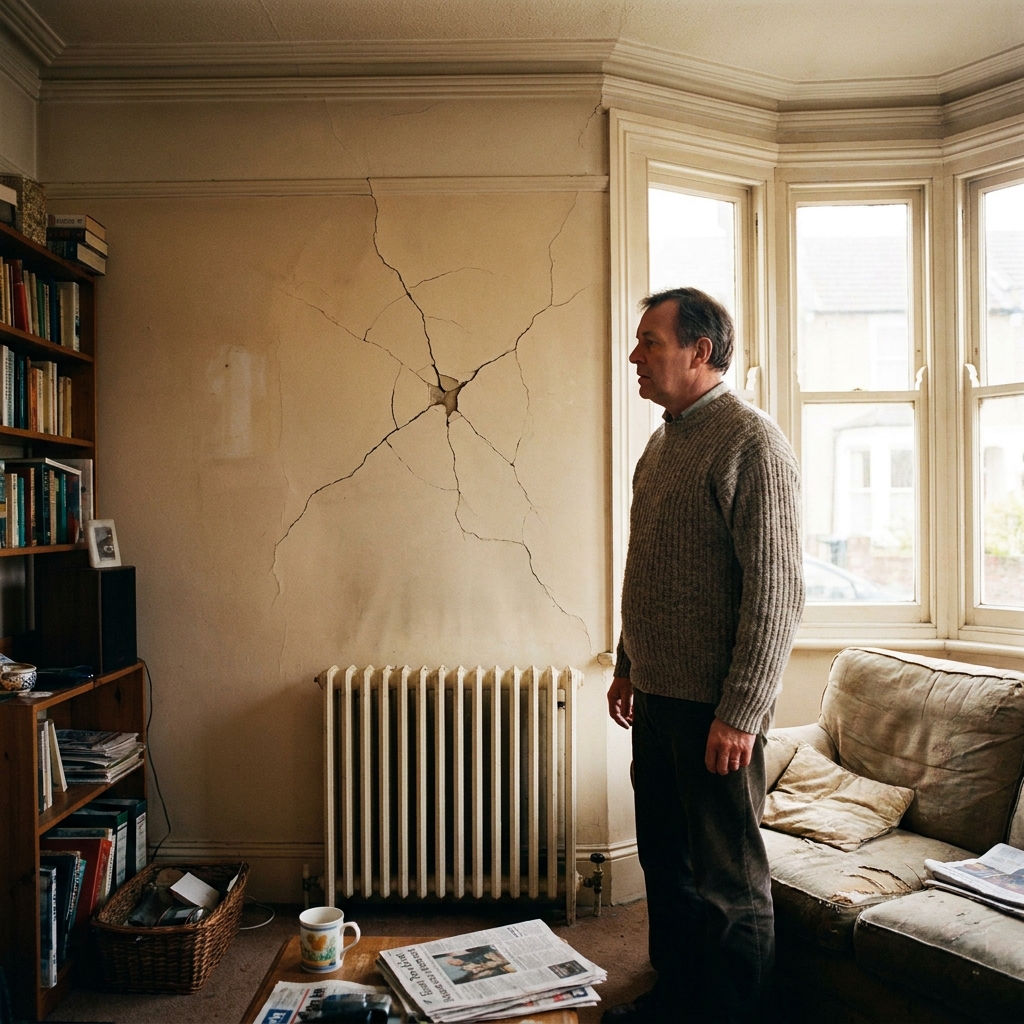
Decoding the Cracks: What Are Your Walls Trying to Tell You?
The first step in dealing with any crack is to become a detective. The size, shape, and location of a crack can tell you a great deal about its origin. Not all cracks are created equal, and understanding the different types is crucial before you decide on a course of action.
Hairline Cracks (Settlement or Shrinkage Cracks)
These are the most common and usually the least worrying type of crack. They are very fine, often looking like a strand of hair on the wall's surface. You’ll typically find them around door and window frames or at the junction where a wall meets the ceiling. These are generally caused by one of two things:
- Shrinkage: As new plaster dries and cures, it loses water and shrinks slightly. This can cause tiny cracks to appear. It's particularly common in new builds or extensions.
- Settlement: All houses settle into their foundations over time. This minor movement can cause small, superficial cracks to form.
Verdict: In most cases, these are a DIY job. A little flexible filler, a light sanding, and a fresh coat of paint are usually all that’s needed.
Spiderweb or Crazing Cracks
As the name suggests, these are a fine network of cracks that spread out from a central point, resembling a spider's web. They are typically confined to the top layer of plaster (the skim coat) and don't penetrate deeper. This is often caused by the plaster drying out too quickly, perhaps because the central heating was on too high or the room wasn't properly ventilated after the work was done. It can also happen if the skim coat was applied over an inadequately prepared surface.
Verdict: While not structurally dangerous, they can be unsightly and difficult to fix with filler alone. A professional plasterer may recommend sanding the entire area and applying a fresh skim coat for a flawless finish.
Straight Vertical or Horizontal Cracks
A straight crack, either running up the wall or across it, often indicates an issue with the plasterboard joints underneath. Plasterboard sheets are taped at the seams before being skimmed. Over time, due to vibrations or minor house movements, this tape can fail, causing a perfectly straight crack to appear. While it looks alarming, it’s usually not a sign of a major structural problem.
Verdict: This is a borderline case. A confident DIYer might be able to rake out the crack, re-tape the joint, and fill it. However, achieving an invisible repair is tricky. For a guaranteed smooth finish, it’s best to call a professional.
Jagged, Diagonal & 'Stair-Step' Cracks
This is the one to watch out for. Jagged cracks that run diagonally across a wall, often in a 'stair-step' pattern following the mortar lines of brickwork, are a serious red flag. These cracks are rarely just a plaster issue; they are a symptom of something more significant, such as:
- Subsidence or Heave: The ground beneath your home's foundations is moving.
- Lintel Failure: The structural support above a window or door has failed.
- Serious Structural Movement: The building itself is under stress.
If you see these cracks, especially if they are wider at one end than the other, or you can see them on both the inside and outside of the wall, do not ignore them.
Verdict: Do not attempt a DIY fix. Call a professional immediately. You may need to start by getting advice from a structural engineer or an experienced builder. To get a qualified opinion, you may need to find a professional builder in Warrington to assess the situation properly.
The Root Causes of Cracked Plaster in Warrington Homes
Understanding what causes plaster to crack can help you prevent future problems. The varied housing stock in Warrington, from historic cottages to modern estates, means residents can experience a wide range of issues.
Natural Settlement
Every building settles on its foundations over the first few years of its life. This is a normal process and is the primary cause of those fine hairline cracks. Older properties can also experience settlement over many decades as the ground beneath them shifts and compacts.
Humidity and Temperature Changes
Plaster, and the materials behind it like timber and brick, expand and contract with changes in temperature and humidity. The seasonal shifts we experience here in Cheshire, from damp winters to warmer summers, can put stress on your walls, leading to small cracks appearing and sometimes disappearing over the year.
Water Damage
Water is the enemy of plaster. If plaster becomes saturated, it will soften, bubble, and eventually crumble away from the wall. The source of the water can be varied:
- A slow leak from a radiator pipe or bathroom plumbing.
- Penetrating damp from faulty brickwork or render.
- A leaking roof or blocked, overflowing gutters.
- Condensation build-up in poorly ventilated rooms.
If you see discolouration (yellow or brown staining), bulging, or a powdery texture alongside a crack, you almost certainly have a water problem. Fixing the plaster without first fixing the leak is a waste of time and money. If you suspect a leak, it’s crucial to search for experienced roofers in Warrington to check your roof and gutters before any plastering work begins.
Vibrations
Living close to a busy road like the M62, a railway line, or even just having heavy doors that are frequently slammed can cause constant, low-level vibrations that may eventually lead to plaster cracking over time.
The DIY vs. Pro Decision: A Practical Checklist
So, you’ve identified your crack. Now comes the big question: can you fix it yourself, or is it time to call in the cavalry?
When You Can Probably DIY:
You can likely tackle the job yourself if the crack meets all of these criteria:
- It is a hairline crack, no wider than 1-2mm.
- It appears stable and isn't getting visibly longer or wider.
- There is no discolouration, dampness, or bulging around it.
- The surrounding plaster is firm to the touch.
A simple DIY repair involves using a scraper to widen the crack slightly into a 'V' shape, vacuuming out any dust, and applying a good quality flexible filler. Once dry, sand it smooth and it's ready for painting.
When to Absolutely Call a Warrington Plasterer:
Don't hesitate to pick up the phone if you notice any of the following:
- The crack is jagged, diagonal, or wider than 5mm.
- The crack is actively growing. (You can check this by marking the ends with a pencil and measuring it a few weeks later).
- The plaster around the crack is soft, bulging, or sounds hollow when tapped.
- You have extensive spiderweb cracking that would be impossible to fill neatly.
- The crack is accompanied by other warning signs like doors that stick in their frames or windows that have become difficult to open.
- You've tried a DIY fix before, and the crack has reappeared.
What to Expect When You Hire a Professional Plasterer
A professional plasterer does more than just fill cracks. They bring expertise, experience, and the right tools to ensure a long-lasting, invisible repair.
First, a reputable tradesperson will carry out a thorough assessment. They won’t just look at the crack itself but will investigate the potential cause, ensuring the root problem is addressed. Depending on the issue, the repair could involve several steps: cutting out the damaged section, applying bonding plaster to build up the level, taping the joints for strength, and finally, applying a final skim coat for that perfectly smooth, glassy finish. This multi-stage process is what separates a professional job from a quick DIY patch-up.
Once the plastering is complete and fully dried (which can take several days), the wall will be a perfect canvas for redecoration. For a truly professional finish, it’s worth considering whether to hire a local painter and decorator who can apply a mist coat and your chosen topcoats correctly for a durable, even result.
The Cost of Plaster Repair in Warrington
Costs can vary depending on the extent of the damage and the size of the area being repaired. It's always best to get at least a couple of quotes from verified local tradespeople. However, as a rough guide for 2024, you can expect the following:
- Minor Crack & Patch Repairs: For a plasterer to come and fix a few isolated cracks or small patches, you might be looking at a half-day rate, typically between £150 - £250. This includes materials.
- Skimming a Single Wall: If a wall has extensive crazing or multiple cracks, the best solution is often to skim the entire surface. For an average-sized wall (e.g., a chimney breast), this could cost £200 - £400.
- Skimming a Full Room: To skim all the walls of an average-sized room (e.g., 4m x 4m), the cost would likely be in the region of £600 - £900+, with ceilings adding to the price.
Remember, these prices are estimates. The complexity of the job, the condition of the existing walls, and ease of access will all play a part.
Don't Paper Over the Cracks
While a hairline crack might just be a minor cosmetic annoyance, a more significant crack in your plaster can be an important warning sign from your home. By taking the time to understand what you're looking at, you can make an informed decision between a quick weekend DIY task and calling in a professional. Ignoring a problem won't make it go away and could lead to much more expensive repairs down the line.
If you're in any doubt, the safest and most effective course of action is to seek professional advice. A qualified Warrington plasterer can diagnose the issue correctly and restore your walls to a pristine, flawless condition, giving you peace of mind and a perfect finish.
Enjoyed this article?
Need a Verified Tradesperson in Warrington?
Browse verified local professionals across Warrington & Cheshire. Compare reviews, check qualifications, and get free quotes.