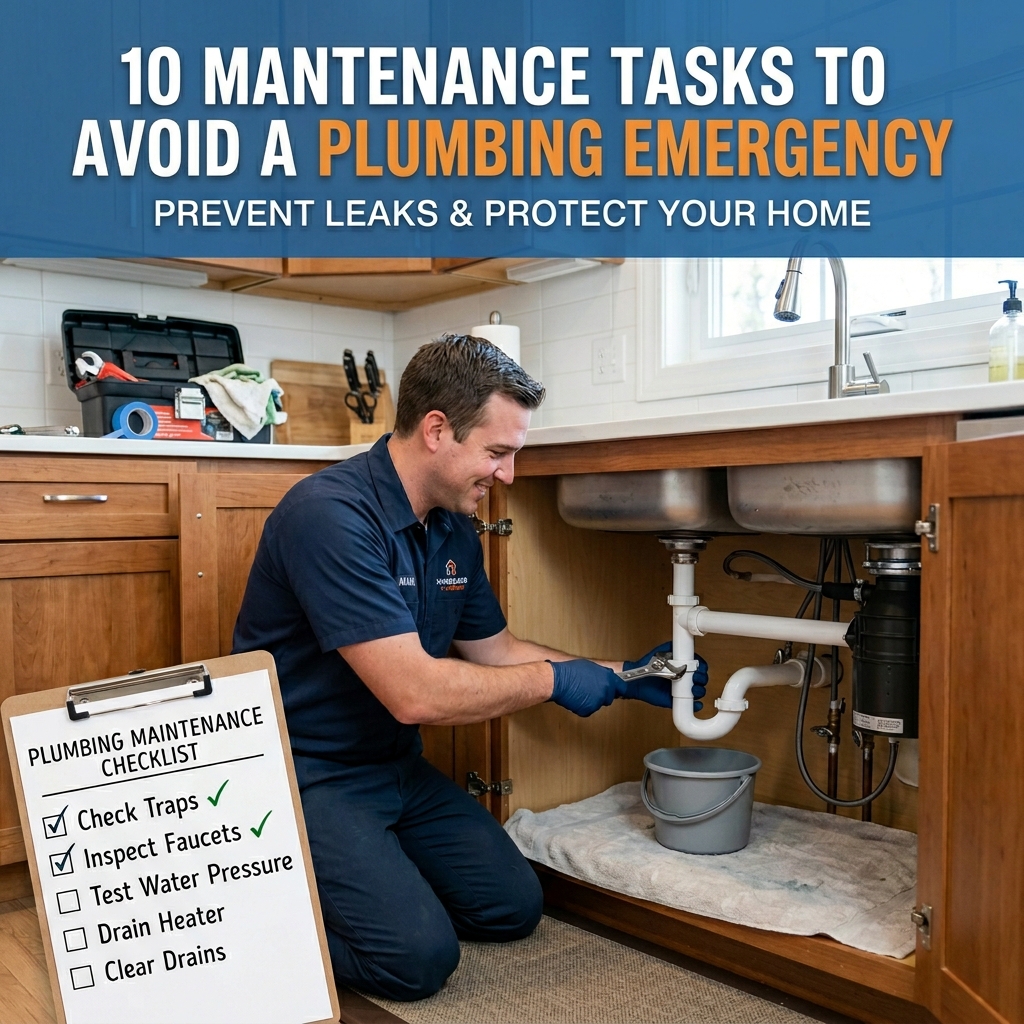
10 Maintenance Tasks to Avoid a Plumbing Emergency
2026 Warrington Plumber Hourly & Day Rates (WA1–WA13)
Accreditation standard: Gas Safe Register & WaterSafe
| Common Warrington Job | 2026 Price Range |
|---|---|
| Annual Gas Boiler Service | £75 – £110 |
| Combi Boiler Replacement (Supply & Fit) | £2,100 – £3,400 |
| Emergency Burst Pipe / Leak Repair | £95 – £180 |
| Central Heating Powerflush (3-Bed Home) | £350 – £500 |
How much of your monthly income are you willing to watch disappear down a drain simply because you ignored a sound that only happens at 3 AM? Most homeowners view plumbing as a binary state—it either works or it is broken—ignoring the slow, invisible degradation that precedes a five-figure restoration bill. Understanding the physics of your home’s hydraulic system is the difference between a relaxing weekend and a frantic call to an emergency service while your floorboards warp under an inch of water.
In the UK, and specifically within the Cheshire landscape, our homes face unique challenges ranging from varying water hardness to the expansion and contraction of aging infrastructure. Plumbing systems are often out of sight and out of mind, yet they are the most active and high-pressure components of any property. A proactive approach to maintenance does more than just save money; it preserves the structural integrity of your home and provides peace of mind that a catastrophic failure isn't lurking around the next bend in the pipework. This deep dive explores ten critical maintenance tasks that every homeowner should undertake to ensure their systems remain functional and efficient.
1. Conduct a Bi-Annual Visual Audit for Slow Leaks
The most dangerous leaks aren't the ones that spray water across a room; they are the silent, steady drips that occur behind cabinets or under floorboards. A slow leak of just one drop per second can waste over 3,000 gallons of water a year. More importantly, that moisture becomes a breeding ground for mold and structural rot long before you see a puddle.
To perform a thorough audit, begin in the kitchen. Clear out the cabinets under the sink and check for dampness, staining, or a musty odor. Feel the supply lines for any moisture and inspect the P-trap (the U-shaped pipe) for signs of corrosion or loose connections. Repeat this process in every bathroom. In the toilet, look for "ghost flushing," where the tank refills intermittently despite no one using it. This is usually caused by a worn-out flapper. You can test this by putting a few drops of food coloring into the tank; if the color appears in the bowl after 15 minutes without flushing, you have a leak.
2. Monitor and Regulate Water Pressure
High water pressure feels great in the shower, but it is a silent killer for your plumbing system. Most residential plumbing is designed to handle between 40 and 60 PSI (pounds per square inch). If your pressure exceeds 80 PSI, you are effectively putting your pipes, joints, and appliances under a constant state of extreme stress. This leads to "water hammer," pinhole leaks, and the premature failure of washing machines and dishwashers.
You can purchase a simple pressure gauge from a hardware store and attach it to an external hose bib or the washing machine cold water tap. If the reading is consistently above 70 PSI, your Pressure Reducing Valve (PRV) may be failing. Regulating this pressure is perhaps the single most effective way to extend the lifespan of your entire plumbing network. It reduces the wear on seals and prevents the violent vibration that eventually shakes joints loose.
3. Flush the Water Heater to Remove Sediment
Your water heater is often the most expensive single component of your plumbing system. Over time, minerals like calcium and magnesium settle at the bottom of the tank, especially in areas with hard water. This sediment creates an insulating layer between the burner and the water, forcing the unit to work harder, run hotter, and eventually burn out or leak.
Flushing the tank once a year involves turning off the power or gas, connecting a hose to the drain valve at the base, and running the water into a floor drain or bucket until it runs clear. This process also allows you to check the sacrificial anode rod. This rod is designed to corrode so that your tank doesn’t. If the rod is completely depleted, the water will begin attacking the steel walls of the tank itself. Replacing a £30 anode rod can add a decade to the life of a £1,000 heater.
4. Implement Strict Drain Etiquette
Drains are designed for water and human waste—nothing else. Yet, many homeowners treat them as a secondary trash can. The buildup of Fat, Oil, and Grease (FOG) is a primary cause of major blockages in the Warrington area. These substances may be liquid when poured down the sink, but they quickly solidify as they cool, coating the interior of pipes and snagging hair and debris.
Avoid using chemical drain cleaners, as these are often caustic and can eat away at older metal pipes or weaken PVC joints. Instead, use a mesh strainer in every sink to catch hair and food particles. If you notice a slow drain, use a mixture of baking soda and vinegar followed by boiling water. This natural reaction can break down minor organic buildup without the risk of pipe damage. For more significant external issues, such as root ingress from trees, consulting professional landscapers in Warrington can help you manage the surrounding vegetation that might be threatening your underground lines.
5. Exercise Your Main Shut-Off Valve
In a plumbing emergency, the most important tool you own is the main shut-off valve. However, many homeowners don't know where it is, and those who do often find it's seized shut from years of inactivity. If a pipe bursts and you can't turn off the water, a minor repair becomes a total loss insurance claim in minutes.
Locate your stopcock (usually found under the kitchen sink or where the main line enters the house) and turn it off and on at least twice a year. This prevents mineral deposits from locking the valve in place. If the valve is difficult to turn, do not force it with a wrench, as you could snap the handle. Instead, apply a small amount of penetrating oil and work it slowly. If it remains stuck, it is time to call in a professional to replace it with a modern quarter-turn ball valve, which is much less prone to seizing.
6. Replace Flexible Supply Lines
The flexible hoses connecting your toilets and sinks to the wall valves are a common point of failure. Older hoses are often made of rubber, which dries out, cracks, and eventually bursts under pressure. If you are still using rubber supply lines for your washing machine, the risk is even higher due to the high-pressure pulses of the fill cycle.
Inspect these lines for any signs of kinking, fraying, or oxidation (green or rust-colored spots). The gold standard for modern homes is braided stainless steel. These hoses are encased in a metal mesh that prevents the inner tubing from expanding and bursting. Replacing these every 5 to 7 years is a cheap insurance policy against the most common cause of indoor flooding.
7. Maintain Bathroom Grout and Silicone Seals
While often categorized as a cosmetic task, maintaining the seals around your bathtub, shower, and sinks is critical for plumbing health. When grout cracks or silicone peels, water seeps into the walls and floorboards every time you bathe. This doesn't just cause aesthetic damage; it rots the structural timber and can lead to the collapse of heavy fixtures.
Once a year, strip back old, moldy silicone and apply a fresh bead of high-quality bathroom sealant. Check the grout lines for any gaps. If you notice persistent dampness or signs of structural movement in the bathroom, consulting expert builders in Warrington is essential to ensure the subfloor hasn't been compromised by long-term moisture ingress. Keeping the wet areas of your home watertight is as much a plumbing task as fixing a leaky pipe.
8. Prevent Pipe Freezing During Winter
Cheshire winters can be harsh enough to freeze pipes in uninsulated areas like lofts, garages, or crawl spaces. When water freezes, it expands with incredible force, often splitting copper or plastic pipes. The real damage occurs during the thaw, when the ice melts and water begins pouring out of the newly created ruptures.
Before the first frost, ensure all exposed pipes are wrapped in foam pipe insulation (often called lagging). Disconnect garden hoses and shut off the water to external taps if possible. If you are leaving the house for an extended period during the winter, keep the heating on a low frost-protection setting. Insulating your pipes is a one-time task that can prevent thousands of pounds in water damage and the immense stress of a mid-winter flood.
9. Inspect the Sewer Cleanout and Outdoor Drains
Your home's waste system doesn't end at the wall. The external drains and sewer cleanouts are vital for moving waste away from your property. Over time, leaves, silt, and debris can clog these grates, leading to back-ups. During heavy rain, a blocked outdoor drain can cause water to back up into your ground floor plumbing.
Walk the perimeter of your home and clear any debris from drain covers. Ensure that your gutters and downpipes are directing water at least three feet away from the foundation. If you have a sewer cleanout (a capped pipe in your yard that provides access to the main sewer line), ensure it is visible and the cap is intact. Keeping these pathways clear ensures that even during a Warrington downpour, your waste system has the capacity it needs to function correctly.
10. Schedule a Professional Health Check
Even the most diligent DIY enthusiast cannot see through walls or into the depths of a boiler’s heat exchanger. There is no substitute for the trained eye and specialized tools of a professional. A professional inspection can identify issues like electrolysis (where two different metals touch and corrode), gas line vulnerabilities, or slow-moving blockages deep in the stack.
By hiring vetted plumbers in Warrington for an annual or biennial survey, you get a comprehensive report on the state of your system. Professionals use thermal imaging and moisture meters to find hidden leaks and can perform high-pressure jetting to clear pipes before they become a total blockage. This small investment in professional oversight is the ultimate safeguard against the unpredictability of home ownership.
The Cost of Inaction vs. Prevention
It is easy to delay these tasks. We live busy lives, and when the taps are running and the toilets are flushing, it feels like everything is fine. However, the data is clear: preventative maintenance costs a fraction of emergency remediation. An emergency call-out on a Sunday evening will often cost more than a year's worth of proactive maintenance tools and supplies combined.
Beyond the financial aspect, there is the human cost. A plumbing emergency is disruptive. It involves drying out carpets, replacing ruined furniture, and often living in a building site while repairs are made. By following these ten steps, you are taking control of your home’s most vital infrastructure. You are ensuring that your water stays where it belongs—in the pipes—and that your home remains the safe, dry sanctuary it is meant to be. Take the time this weekend to check your pressure, exercise your valves, and look under your sinks. Your future self, and your bank account, will thank you for the foresight.
Enjoyed this article?
Need a Verified Tradesperson in Warrington?
Browse verified local professionals across Warrington & Cheshire. Compare reviews, check qualifications, and get free quotes.